Halal Investing 101
Emergency Fund: Halal Investing 101 Series
In the journey of life, unexpected challenges are inevitable. Here's how Islamic finance principles combined with emergency fund planning provide security.

Life is beautifully unpredictable. While we plan and prepare, unexpected events — a sudden job loss, a health issue, a family emergency — can arrive without warning. An emergency fund is your financial buffer against these moments, and when built upon Islamic finance principles, it becomes both a practical safeguard and an act of tawakkul (reliance on Allah while taking the necessary means).
The Essence of Preparedness
An emergency fund is not a luxury; it is a necessity. It is a dedicated sum of money set aside specifically for unplanned, urgent expenses. Here is what you need to know:
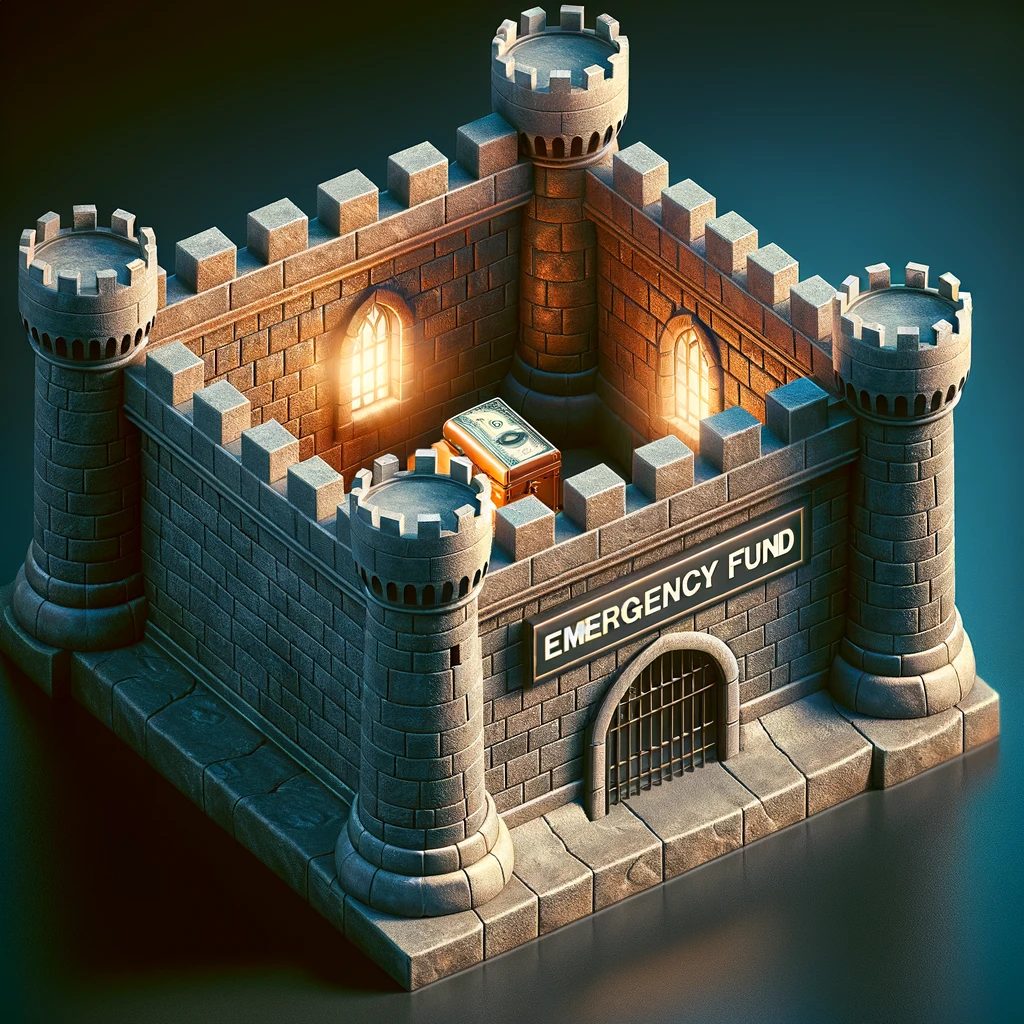
- Your financial buffer: Think of your emergency fund as a shield. It stands between you and the financial stress that comes with unexpected events. Without it, a single crisis can derail months or even years of financial progress.
- Ideally covering 3 months of living expenses: The recommended starting point is three months of essential living costs — rent, utilities, food, transportation, and any debt obligations. This gives you enough runway to navigate most emergencies without resorting to borrowing.
- For life’s unexpected moments: Job loss, health issues, urgent car or home repairs, family emergencies — these are the situations your fund is designed to handle. Having this safety net means you can face these challenges with resilience rather than panic.
From Challenge to Opportunity
Sometimes, our greatest financial lessons come from our most difficult moments. This is the story of Selvie, the founder of Her Islamic Finance, whose financial crisis became the turning point that inspired this entire community.
When Selvie faced her own financial emergency, she discovered firsthand how devastating it can be to have no safety net. But rather than letting that experience defeat her, she transformed it into a mission. She educated herself on Islamic finance principles, built her own emergency fund, and eventually created Her Islamic Finance to ensure other Muslim women would never feel as unprepared as she once did.
Her story is a powerful reminder that adversities can transform into opportunities for learning and growth. The pain of financial crisis, when channelled constructively, becomes the fuel for lasting change. Your current situation, no matter how challenging, can be the beginning of your financial transformation.
Your Toolkit for Financial Freedom
Building an emergency fund does not have to be complicated. Follow these practical steps to create your financial safety net:
- Calculate your monthly expenses: List every essential expense — rent or mortgage, utilities, groceries, transportation, insurance, and minimum debt payments. Be thorough and honest. This total represents the baseline amount you need to survive each month.
- Set aside a 3-month sum: Multiply your monthly essential expenses by three. This is your emergency fund target. For example, if your essential monthly expenses are 2,000, your target is 6,000. This number might feel large at first, but remember — you will build towards it gradually.
- Keep the fund easily accessible: Your emergency fund should be in an account you can access quickly when needed. A separate savings account works well. The key word is “separate” — do not mix emergency funds with your regular spending money or your investment portfolio.
- Keep it separate from other investments: Your emergency fund is not an investment. It is insurance. While your investments may fluctuate in value, your emergency fund should remain stable and liquid. Never invest your emergency fund in volatile assets.

The Power of Choice
Beyond protection against emergencies, your fund provides something even more valuable: freedom.
- Leave unsatisfactory jobs: When you have financial reserves, you are not trapped in a job that drains you, compromises your values, or underpays you. You have the breathing room to search for better opportunities without the desperation of living pay cheque to pay cheque.
- Support your family: When a loved one faces a crisis, you can step in to help without jeopardising your own financial stability. This is a profound form of generosity that is only possible when your own foundation is secure.
- Autonomy rooted in financial stability and ethical practices: True financial independence means making choices based on your values, not your fears. With an emergency fund in place, every financial decision you make comes from a position of strength rather than desperation.
Embarking on Your Journey
Building your emergency fund is a step-by-step process that anyone can follow, regardless of income level:
- Set realistic goals: If saving three months of expenses feels overwhelming, start with a smaller target — one month, or even one week. The important thing is to start. Every contribution, no matter how small, moves you closer to your goal.
- Build gradually over 6 months to a year: Give yourself a reasonable timeline. Set up an automatic transfer from your salary account to your emergency fund on payday. Even a modest amount each month adds up significantly over six to twelve months.
- Include those you care for in the circle of security: If you have dependents — children, elderly parents, or other family members — factor their needs into your emergency fund calculation. Your preparedness protects not just you but everyone who relies on you.
- Review and celebrate milestones: Track your progress. When you reach 25%, 50%, and 75% of your target, acknowledge the achievement. Each milestone is proof that you are taking control of your financial future.

For a deeper dive into building your emergency fund, watch Selvie’s YouTube video on Emergency Funds, where she walks through her personal experience and provides additional tips tailored specifically for Muslim women.
Your emergency fund is not just a number in a bank account. It is peace of mind, dignity, and the power to choose. Start building yours today, and give yourself the gift of financial security grounded in Islamic principles.