Halal Investing 101
Master Money Making
How much do you really need to start investing? You don't need a fortune — even small investments can grow significantly through compound growth.

How often do you find yourself wondering, “How much do I really need to start investing?” If that question has ever held you back, you are not alone. One of the most common misconceptions about investing is that you need a large sum of money to get started. The truth is far more empowering: you can begin with whatever you have right now.
The Power of Starting Small
Many people believe that investing is only for the wealthy, but this could not be further from the truth. Starting small carries enormous advantages that compound over time:
- Compound growth works its magic: Even modest investments grow exponentially over time. A small amount invested consistently today can become a significant sum in the future thanks to the power of compounding. Every dirham, pound, or dollar you invest starts working for you immediately.
- Investing is a skill that improves with practice: Just like any other skill, investing gets better the more you do it. By starting with small amounts, you give yourself the freedom to learn, experiment, and refine your strategy without overwhelming pressure.
- Start with what fits your budget: There is no magic number. Whether it is 50 or 500 a month, the key is consistency. The best investment plan is one that aligns with your current financial reality.
Why Learning by Doing Is Crucial
Reading about investing is valuable, but nothing replaces hands-on experience. Here is why taking action, even with small amounts, matters so much:
- Markets are always changing: Theoretical knowledge alone cannot prepare you for the real-world dynamics of financial markets. By actively investing, you develop an intuition for market behaviour and learn to make informed decisions.
- Small amounts minimize risk while gaining experience: When you invest small sums, the stakes are lower. This allows you to observe how different assets perform, understand market cycles, and build confidence without risking your financial stability.
- Mistakes cost less but teach more: Every investor makes mistakes along the way. When those mistakes involve smaller amounts, they become affordable lessons rather than devastating setbacks. Each lesson brings you closer to becoming a more skilled and knowledgeable investor.

The Smart Budgeting System
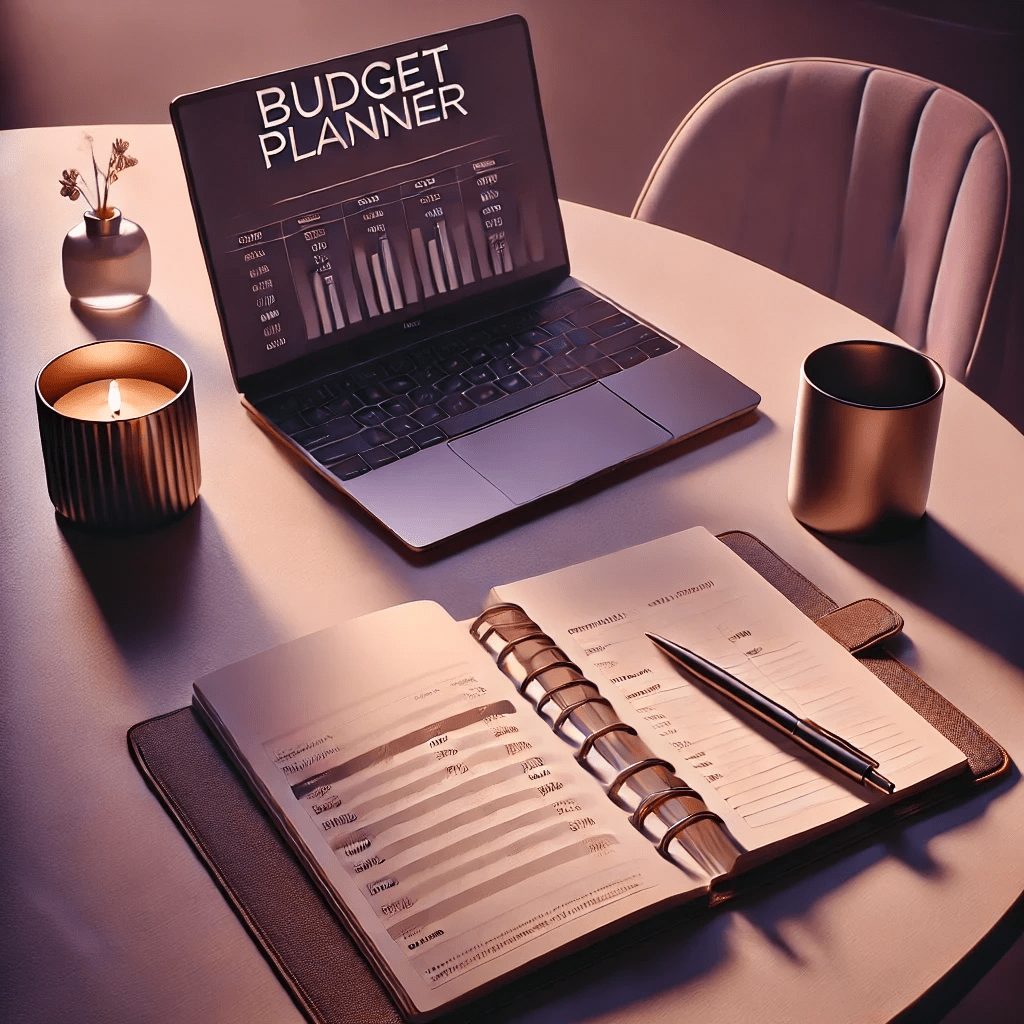
Before you invest, you need clarity on how much you can allocate. Follow this simple four-step system to find your investable amount:
- Start with your monthly income: Write down your total take-home pay after taxes. This is your starting point for every financial decision.
- Deduct fixed and variable expenses: Subtract your rent or mortgage, utilities, groceries, transportation, insurance, and other essential living costs. Be honest and thorough in listing every recurring expense.
- Subtract savings for goals and your emergency fund: Set aside money for your short-term goals (such as a holiday, new appliance, or course fee) and ensure your emergency fund is being built or maintained. Financial security comes first.
- The remaining amount can be invested: Whatever is left after expenses and savings is money you can put to work in halal investments. Even if this amount feels small, remember that consistency is far more powerful than size.
A powerful tip: schedule automated payments so your savings and investments run on autopilot. When the process is automatic, you remove the temptation to skip a month and ensure your wealth-building stays on track.
Gaining Clarity
Once you see your numbers laid out clearly, you can begin asking the right questions to optimise your financial position:
- How can I increase my income? Consider side projects, freelancing, asking for a raise, or developing new skills that boost your earning potential.
- Where can I reduce unnecessary expenses? Review subscriptions, dining out habits, and impulse purchases. Small cutbacks add up to significant savings over time.
- Can I postpone certain goals in favour of investing? Sometimes delaying a non-essential purchase by a few months frees up capital that can generate returns in the market.

The journey to financial independence does not require perfection or a large starting balance. It requires intention, consistency, and the courage to begin. Start where you are, use what you have, and let compound growth do the rest.